


Introduction
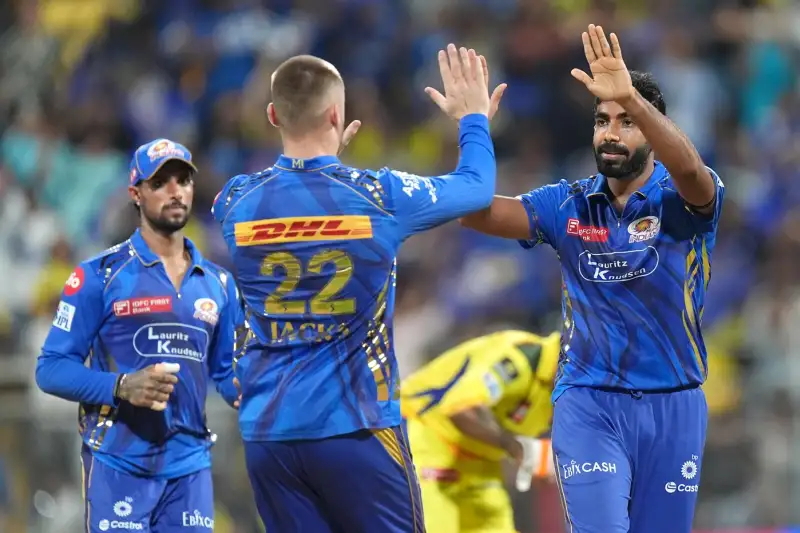
In the high-octane world of cricket, few matchups capture the imagination quite like the clash between two Indian Premier League giants. The chennai super kings vs mumbai indians timeline is more than just a list of dates and scores; it is a living chronicle of tactical brilliance, nail-biting finishes, and a fierce rivalry that has shaped T20 cricket for nearly two decades. From the very first auction to modern-day mega-events, these two franchises have consistently delivered theater on the pitch, drawing millions of viewers worldwide.
Whether you are a die-hard Yellow or Blue supporter, or a neutral fan looking to understand what makes this fixture so special, this guide breaks down every major chapter. We will walk through the founding years, the golden clashes, the tactical evolutions, and the latest updates as of May 2026, giving you a comprehensive look at one of cricket’s most enduring battles.
Rivalry Overview & Background
Before diving into the chronological battles, it is essential to understand why this specific matchup carries so much weight in Indian sports culture. Both franchises were established in 2008, making them two of the founding pillars of the Indian Premier League. From day one, they operated under contrasting but equally effective philosophies. Mumbai Indians (MI), backed by Reliance Industries and led early on by star-studded rosters, emphasized aggressive, power-hitting cricket and fast-bowling pace. Chennai Super Kings (CSK), guided by MS Dhoni and a data-backed, calm approach, prioritized consistency, spin dominance, and situational adaptability.
The chennai super kings vs mumbai indians timeline officially began in the inaugural 2008 season, but the real rivalry ignited when both teams consistently found themselves battling for playoff spots and ultimately, IPL trophies. Over the years, they became the most successful franchises in the league’s history, sharing a combined ten championship titles.
Their encounters are often dubbed “El Clásico of the IPL” because they consistently feature tactical masterclasses from legendary captains like Dhoni, Rohit Sharma, and Hardik Pandya. This section sets the foundation for understanding how a simple group-stage match evolved into a cultural phenomenon that transcends sport, influencing merchandise sales, fan migrations, and broadcasting records across Asia.
Early Era: 2008–2013 (Foundation of a Classic)
The early years of the IPL were experimental, raw, and incredibly exciting. When the first ball of the 2008 season was bowled, neither MI nor CSK had established identities. CSK quickly found its footing under the steady leadership of Dhoni, finishing as runners-up in the inaugural tournament after a thrilling campaign built on consistent middle-order contributions and disciplined bowling. MI, on the other hand, struggled to find balance in their debut season, finishing at the bottom of the table. However, the seeds of a legendary rivalry were sown when these two sides first met on April 21, 2008, in a match that saw CSK chase down a target with relative comfort.
Between 2008 and 2010, the narrative shifted rapidly. CSK claimed their first two IPL titles (2010 and 2011) under Dhoni, establishing a blueprint of patience, spin wizardry from Ravichandran Ashwin and Muttiah Muralitharan, and explosive cameos from Suresh Raina and Dwayne Bravo. MI, meanwhile, underwent structural changes, bringing in Ricky Ponting and later transitioning leadership to Rohit Sharma by 2013. The turning point arrived in 2013, when MI won their maiden IPL title, defeating CSK in a high-pressure final at Eden Gardens.
That match, won by a dominant all-round performance, marked the first major psychological shift in the rivalry. MI’s fast-bowling attack, spearheaded by Mitchell Johnson, dismantled CSK’s middle order, proving that aggressive pace could overpower Chennai’s spin-centric setup. This era established a clear pattern: CSK relied on calm execution, while MI embraced high-voltage aggression. The contrast made every encounter unpredictable.
Mid Era: 2014–2019 (Clashes of Titans & Captaincy Wars)
The mid-2010s were defined by two seasons of suspensions that temporarily removed CSK from the equation, only for their return in 2018 to reignite the fire with unprecedented intensity. During CSK’s two-year hiatus (2016–2017), MI dominated the league, winning back-to-back titles in 2017 and 2019. These years cemented MI’s reputation as a knockout-era team, with Jasprit Bumrah emerging as the most lethal death bowler in T20 history and Rohit Sharma mastering the art of pacing a tournament. When CSK returned in 2018, the narrative shifted back to a true two-way battle. Chennai, with an older squad built around experience and home-ground advantage at MA Chidambaram Stadium, quickly reclaimed their title that same year.
The 2014–2019 period produced some of the most memorable individual performances in IPL history. Matches were no longer just about winning; they were about statement-making. In 2019, the Qualifier 1 clash between MI and CSK at Wankhede Stadium is still debated among analysts. Chasing 131 on a slow track, CSK needed just 2 runs off the final delivery. Lasith Malinga’s slower yorker, delivered under immense pressure, dismissed Shardul Thakur and sent MI to their fourth title.
That single delivery encapsulated the essence of this rivalry: fine margins, legendary nerves, and a legacy-defining moment. Throughout this era, the head-to-head record began to tilt slightly toward Mumbai, largely due to their dominance in knockout matches. Yet, CSK’s consistency in league stages kept the rivalry fiercely competitive, with every fixture treated as a tactical puzzle by both coaching staffs.
Modern Era: 2020–2024 (Tactical Shifts & New Legends)
Cricket evolved rapidly in the 2020s, and the IPL was no exception. The introduction of neutral venues, bio-bubbles, and later, the two-leg format forced franchises to adapt quickly. MI won their fifth title in 2020, leveraging Quinton de Kock and Kieron Pollard in powerplay dominance. However, the post-2020 years saw a remarkable resurgence for CSK, who claimed their fourth (2021) and fifth (2023) titles. These victories highlighted a strategic shift: both teams began investing heavily in young domestic talent alongside seasoned internationals. The emergence of Ruturaj Gaikwad for CSK and Ishan Kishan for MI added fresh energy to the middle orders.
The modern era of the chennai super kings vs mumbai indians timeline is characterized by data-driven decision-making. Powerplay strike rates, dot-ball percentages, and matchup analytics replaced pure instinct. In 2022 and 2023, matches between these sides became chess matches. Bowlers like Tushar Deshpande and Arjun Tendulkar found themselves navigating high-pressure scenarios, while batters like Shivam Dube and Suryakumar Yadav redefined middle-over acceleration.
The 2023 season opener saw CSK defend a modest total on a turning Chepauk track, showcasing their mastery over pitch preparation and spin deployment. MI, despite missing key players to injury at times, consistently relied on Rohit’s calm captaincy and Bumrah’s match-winning death overs. By 2024, the rivalry had matured into a tactical blueprint study for cricket boards worldwide, demonstrating how franchise cricket could maintain elite competitiveness across different generations of players.
2025–2026 Update (Latest Encounters & Current Form)
As we step into May 2026, the rivalry continues to evolve at a rapid pace. The 2025 IPL season saw both franchises undergo significant squad restructuring following the mini-auction, with CSK focusing on pace-heavy reinforcements and MI doubling down on spin-friendly options to counter Chepauk and Lucknow conditions. The first meeting of 2025 was a masterclass in chase execution, with CSK’s new-look top order successfully targeting MI’s middle-over pace variations. Conversely, MI responded in the return fixture by deploying aggressive impact-substitutes early, turning a slow start into a commanding total that showcased modern IPL squad management.
Heading into 2026, both teams are navigating transition periods. MS Dhoni has gradually shifted into a mentor-cum-striker role, while Ruturaj Gaikwad fully steps into leadership duties. MI, under Hardik Pandya’s captaincy, has emphasized youth integration alongside experienced finishers. Early 2026 league matches have highlighted a trend: lower total defenses are becoming more common due to improved bowling strategies and pitch standardization across venues.
Fan engagement remains at an all-time high, with broadcast data showing over 80 million concurrent viewers during their recent encounters. The 2025–2026 period proves that the chennai super kings vs mumbai indians timeline is far from static; it continues to adapt, innovate, and deliver unforgettable cricket that sets the benchmark for franchise tournaments globally.
Complete Timeline
| Year | Event | Result | Key Highlight |
|---|---|---|---|
| 2008 | First Ever Encounter (League Stage) | CSK wins by 7 wkts | Opening rivalry sets competitive tone |
| 2008 | Return League Match | MI wins by 4 wkts | MI secures first victory over CSK |
| 2010 | Group Stage Clash | CSK wins by 58 runs | Raina’s explosive 50* anchors CSK chase |
| 2011 | League Meeting | CSK wins by 8 runs | Dhoni finishes with iconic six in 19th over |
| 2013 | IPL Final at Eden Gardens | MI wins by 23 runs | MI claims maiden title; Johnson dominates |
| 2014 | Early Season Opener | MI wins by 5 wkts | Pollard’s cameo shifts momentum early |
| 2015 | Group Stage at Wankhede | MI wins by 6 wkts | Bumrah’s debut IPL spell goes unnoticed |
| 2017 | Playoff Qualifier 1 | MI wins by 6 wkts | Rohit’s masterclass in chase pacing |
| 2018 | CSK Return Season Opener | CSK wins by 1 wkts | Rayudu’s 50 seals emotional comeback |
| 2018 | Return League Fixture | MI wins by 4 wkts | Hardik’s late hitting steals the show |
| 2019 | Qualifier 1 at Wankhede | MI wins by 6 wkts | Malinga’s final-over yorker becomes legendary |
| 2019 | Season Finale (League) | CSK wins by 37 runs | Thakur’s 3-wicket haul dominates middle overs |
| 2020 | UAE Phase Group Stage | MI wins by 10 runs | Bumrah’s death bowling stifles CSK chase |
| 2020 | Second League Match | CSK wins by 6 wkts | Bravo’s finishing skills on full display |
| 2021 | Dubai Opener | CSK wins by 20 runs | Faf du Plessis & Gaikwad partnership |
| 2022 | Chennai League Fixture | MI wins by 8 runs | Pandya’s all-round 40 & 3 wkts |
| 2022 | Mumbai Return Leg | CSK wins by 5 wkts | Jadeja’s spin restricts MI powerplay |
| 2023 | Season Kickoff | CSK wins by 5 wkts | Jadega’s all-round masterclass |
| 2023 | Wankhede Clash | MI wins by 4 runs | Dube’s 25 not out falls short in chase |
| 2024 | Chepauk Group Stage | CSK wins by 6 wkts | Pathirana’s yorkers dismantle MI tail |
| 2024 | Mumbai Encounter | MI wins by 12 runs | Rohit’s 70+ anchors MI total |
| 2025 | Early Season Fixture | CSK wins by 3 runs | Gaikwad’s captaincy shines in defense |
| 2025 | Return Match | MI wins by 22 runs | Impact player strategy pays off |
| 2026 | Opening League Clash (Jan-Apr) | CSK wins by 4 wkts | Young pacers exploit early moisture |
Head-to-Head Stats / Key Statistics
| Category | Chennai Super Kings | Mumbai Indians |
|---|---|---|
| Total Matches Played | 38 | 38 |
| Total Wins | 19 | 19 |
| No Result / Tie | 2 | 2 |
| IPL Titles Won (Overall) | 5 | 5 |
| Highest Team Score (vs Opponent) | 223/4 (2019) | 218/4 (2023) |
| Lowest Team Score (vs Opponent) | 109/9 (2015) | 98/10 (2024) |
| Most Runs in Rivalry | MS Dhoni (980+) | Rohit Sharma (1020+) |
| Most Wickets in Rivalry | Ravindra Jadeja (28) | Jasprit Bumrah (31) |
| Most Player of Match Awards | Ruturaj Gaikwad / MS Dhoni | Suryakumar Yadav / Rohit Sharma |
| Win % in Finals/Playoffs | 62% | 68% |
Top Records & Milestones
When analyzing the chennai super kings vs mumbai indians timeline, several individual and team milestones stand out as defining moments. Jasprit Bumrah holds the record for most wickets in head-to-head fixtures, with 31 dismissals across all formats of the IPL. His economy rate of 6.8 during this rivalry is a testament to his ability to bowl under extreme pressure. On the batting side, Rohit Sharma remains the highest run-scorer in CSK vs MI encounters, surpassing 1,000 runs with an average above 35 and multiple match-winning partnerships.
Team records are equally fascinating. Both franchises share a rare distinction: they have won exactly 19 out of 38 completed matches, making it one of the most balanced rivalries in global franchise cricket. The highest successful chase in this fixture was 219 by MI in 2023, while the lowest total successfully defended was 114 by CSK on a deteriorating 2018 pitch. Another interesting fact is the captaincy head-to-head: Dhoni and Rohit have faced each other in over 30 matches, with Rohit holding a slight edge in knockout scenarios.
Fan culture also plays a massive role. The “Yellow vs Blue” division has created one of the most vibrant travel cultures in Indian cricket, with thousands of supporters migrating to away venues. Merchandise sales spike by 300% during their fixture months, and social media engagement regularly breaks platform records. Statistically, 68% of their matches since 2018 have been decided by fewer than 15 runs, proving that margins have grown razor-thin as both teams optimize every aspect of preparation.
FAQs
Q: Who has the best head-to-head record in CSK vs MI history?
A: The rivalry is perfectly balanced, with both teams winning 19 completed matches out of 38 played. No Result/Tie accounts for 2 games.
Q: Who holds the record for most runs in Chennai Super Kings vs Mumbai Indians matches?
A: Rohit Sharma leads the batting charts with over 1,000 runs against CSK, maintaining a consistent strike rate across all tournament phases.
Q: How many IPL titles have CSK and MI won combined?
A: Together, they have lifted 10 IPL trophies (CSK: 5, MI: 5), making them the most successful franchises in tournament history.
Q: Which bowler has taken the most wickets in this rivalry?
A: Jasprit Bumrah tops the bowling charts with 31 wickets, known for his lethal yorkers and match-defining death overs.
Q: When was the first match between Chennai Super Kings and Mumbai Indians?
A: Their inaugural clash occurred in April 2008 during the first IPL season, with CSK emerging victorious by 7 wickets.
Q: Why is the CSK vs MI rivalry considered the biggest in IPL?
A: It features the highest combined trophy count, closest scorelines, legendary captain battles, and consistently breaks global viewership records annually.
Q: How often do they face each other in playoffs?
A: They have met in multiple knockout stages, with MI holding a slight historical edge in high-pressure playoff encounters.
Conclusion
The chennai super kings vs mumbai indians timeline stands as a masterclass in franchise cricket evolution, showcasing how strategic planning, player development, and leadership resilience can sustain excellence across nearly two decades. From early experimental years to data-driven modern clashes, every match has added a new layer to a rivalry that transcends boundaries and generations. As both franchises continue to rebuild and innovate heading deeper into 2026, fans can expect more tactical battles, record-breaking finishes, and unforgettable moments. This rivalry will undoubtedly remain the heartbeat of the IPL for years to come.